【Indian Tourist】Rounded Back & Stiff Shoulders | Posture Care, Chiropractic & Shoulder Blade Release in Osaka
Rounded Back and Stiff Shoulders Dur…
症例を詳しく見る施術の詳細情報を表示
- 年代
- 30代


GREFUL / CASE REPORT
CASE OVERVIEW
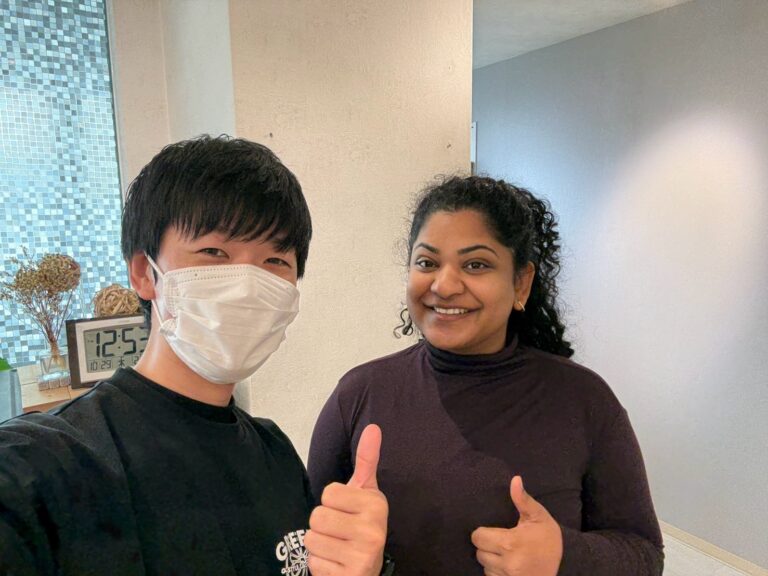
A woman in her 50s visiting from Singapore came to GREFUL Acupuncture & Seitai Clinic in Shinsaibashi, Osaka, with concerns about stiffness extending from her upper back to her lower back.
She was also concerned about the rounded appearance of her back and wanted to address her overall posture.
Her visit involved two closely related goals: feeling more comfortable through the back and improving her awareness of upper-body posture.
Her main concerns included:
1. Upper-back stiffness
She experienced a feeling of tightness through her back, an area that includes the thoracic spine and surrounding muscles.
2. Lower-back tightness
The stiffness extended towards the lumbar region, making both the upper and lower back important areas of concern.
3. Rounded back posture
She was concerned about the rounded appearance of her upper back, commonly described as a rounded back or hunched posture.
4. Overall upper-body posture
She wanted to pay attention to the relationship between her shoulders, upper back and lower back rather than focusing on a single area.
5. Body care while visiting Osaka
As a visitor from Singapore, she chose GREFUL in Shinsaibashi for her back and posture concerns during her stay in Japan.
Back stiffness and rounded posture often appear together, although they do not always share the same cause.
For this type of concern, it is helpful to consider how the thoracic spine, lumbar spine, rib cage, shoulders and pelvis contribute to everyday movement and posture.
A woman in her 50s visiting from Singapore came to GREFUL Acupuncture & Seitai Clinic in Shinsaibashi, Osaka, with concerns about stiffness extending from her back to her lower back.
She was also concerned about the rounded appearance of her upper back and wanted to pay attention to her overall posture.
Her concerns involved two aspects of physical well-being: the feeling of tightness through her back and the appearance of her upper-body posture.
Although back stiffness and rounded posture may occur together, they do not necessarily share the same cause. Understanding how different areas of the body contribute to movement is an important part of posture-focused body care.
In this article, we introduce her visit to GREFUL and explain the relationship between upper-back stiffness, lower-back tension, rounded posture and Japanese Shiatsu Seitai in Osaka.
The spine consists of several regions, including the cervical spine in the neck, the thoracic spine in the upper and middle back, and the lumbar spine in the lower back.
Each region has its own natural curvature and movement characteristics. Together, they help us sit, stand, bend, turn and move comfortably throughout the day.
When stiffness extends from the back towards the lower back, considering the relationship between these regions can be more useful than looking at a single area in isolation.
For this visitor from Singapore, both the upper back and the lower back were important parts of her main concern.
Many muscles contribute to trunk movement and posture. These include the erector spinae, multifidus, trapezius, latissimus dorsi and several muscles around the shoulder blades.
These muscles work during everyday activities such as sitting, carrying objects, reaching overhead and changing position.
A feeling of tightness may be influenced by muscle activity, fatigue, movement habits and other factors. However, perceived stiffness does not always mean that a muscle is physically shortened or that a spinal joint has become structurally restricted.
The lumbar spine works with the pelvis, hips and abdominal muscles to control movement and support the trunk.
When someone experiences lower-back tightness, it can be helpful to consider how they move during sitting, standing, bending and walking.
There is no single posture that is perfect for everyone. Being able to change position comfortably is often more practical than trying to remain completely still in one supposedly ideal posture.
A rounded back is a common description of an upper-body posture in which the thoracic region appears curved.
The thoracic spine naturally curves backwards. This normal curvature is known as thoracic kyphosis.
The appearance of the upper back can vary depending on spinal anatomy, body position, shoulder placement and the way the trunk is held.
For some people, rounded posture is mainly an appearance-related concern. Others may also experience stiffness or discomfort.
No. A person may have a rounded upper back without experiencing pain, while another person with a relatively upright posture may experience back discomfort.
Posture is only one part of the overall picture. Daily activity, muscle function, general health and the way someone responds to movement can also influence symptoms.
This is why addressing posture concerns should involve more than simply telling someone to sit up straight.
Some people can change the appearance of their upper back by adjusting their sitting position, moving the rib cage or changing the position of the shoulders.
In other situations, the shape of the spine may be influenced by structural factors that require medical assessment.
Posture-focused bodywork aims to support comfortable movement and awareness of body positioning. It should not be presented as a guaranteed way to change the structure of the spine permanently.
The shoulder blades rest on the back of the rib cage and move in coordination with the shoulders and upper body.
When reaching, lifting or moving the arms, the shoulder blades and thoracic region contribute to smooth movement.
For people concerned about rounded upper-back posture, it can be useful to consider the position and movement of the shoulders alongside the trunk.
The ribs connect with the thoracic spine and help form the structure of the chest.
The thoracic region contributes to trunk rotation and extension, while the rib cage also participates in breathing mechanics.
Comfortable thoracic movement is one aspect of overall upper-body function, although increasing spinal movement does not automatically resolve stiffness or pain.
The pelvis provides a connection between the spine and the lower limbs.
Its position changes naturally as we sit, stand and bend. These movements can influence the visible curve of the lower back and the orientation of the upper body.
Rather than attempting to hold the pelvis in one fixed position, it is often more useful to develop comfortable movement options for everyday activities.
Travelling internationally often means spending several hours sitting on an aircraft, train or bus.
Some travellers notice stiffness around their back, shoulders or hips after remaining in one position for a long time.
Changing position when possible, taking comfortable movement breaks and staying appropriately active may help reduce general discomfort.
Osaka is a popular destination for visitors from Singapore and other countries. Exploring shopping areas, tourist attractions and railway stations can involve substantial walking.
A sudden change in daily activity may contribute to fatigue or muscular discomfort in some travellers.
For a visitor already concerned about back stiffness, planning rest breaks and adjusting activity to personal comfort can be worthwhile.
Travel can involve lifting suitcases, carrying bags and sleeping in unfamiliar environments.
These changes may affect comfort, although individual symptoms cannot be explained by travel habits alone.
When seeking body care during a trip, it is useful to describe which movements and daily activities feel uncomfortable.
Shiatsu Seitai is a Japanese approach to hands-on bodywork. Depending on the clinic and the individual’s needs, it may involve pressure techniques, muscle work, stretching and movement assessment.
At GREFUL in Shinsaibashi, Japanese Shiatsu Seitai is offered to international visitors with concerns such as back stiffness, shoulder tension, lower-back discomfort and travel-related fatigue.
The appropriate approach depends on the person’s symptoms, physical condition and goals.
The upper back, lower back, rib cage, pelvis and hips all contribute to trunk movement.
For someone concerned about stiffness extending across the back, a broader perspective can help connect the discussion of physical comfort with posture and everyday activity.
This does not mean that every area requires the same treatment or that there is one universal cause for back stiffness.
Posture is not simply a matter of maintaining a perfectly straight spine all day.
The body is designed to move through different positions. Comfortable sitting, standing, bending and turning are important parts of daily function.
For someone concerned about rounded-back appearance, posture awareness can involve learning how different positions feel and how the upper and lower body work together.
The woman in this case came from Singapore to GREFUL in Osaka because she was concerned about stiffness extending through her back and towards her lower back.
She also wanted to address the rounded appearance of her upper back.
Her case is a useful example of how people may seek body care for both physical comfort and posture-related goals.
Back stiffness may involve several regions of the trunk, while rounded posture relates to the overall position of the upper body.
Considering the thoracic spine, lumbar spine, shoulder blades and pelvis provides a broader understanding of the movement involved.
At the same time, a rounded back should not automatically be treated as the cause of stiffness.
International visitors often have different goals when seeking Japanese bodywork. Some are interested in muscle comfort after travelling, while others are concerned about posture, flexibility or the experience of traditional Japanese hands-on care.
This visitor’s concerns centred on her back and overall posture, making those topics especially relevant to her visit to GREFUL.
Remaining in exactly the same position for a long time can feel uncomfortable for some people.
Try changing position regularly and standing or walking when convenient.
There is no need to force your back into a rigid upright position throughout the day.
Comfortable movements such as gently turning the upper body or moving the shoulders may help you explore your available range of motion.
Movements should remain within a comfortable range. Avoid forcing the spine or shoulders through pain.
Walking and other appropriate physical activities can support general health and movement.
Choose an activity level that suits your condition rather than suddenly increasing exercise or sightseeing intensity.
If back pain is severe, worsening or associated with unusual symptoms, medical assessment may be necessary.
New bladder or bowel dysfunction, numbness around the groin or progressive leg weakness require urgent medical attention.
Upper-back stiffness can be influenced by muscle activity, fatigue, prolonged positions and other factors. The cause differs between individuals and should be considered alongside symptoms and movement.
Upper-body posture and lower-back movement are related through the trunk, but a rounded back does not necessarily cause lower-back stiffness. Multiple factors may contribute.
Kyphosis describes the natural backward curve of the thoracic spine. A rounded upper-back appearance can be normal, although unusually pronounced or progressive curvature may warrant medical assessment.
Hands-on bodywork may help some people with comfort and movement-related concerns. The appropriate approach and response vary from person to person.
No such result can be guaranteed. Posture can change with positioning and movement, but a visible change does not necessarily mean the spinal structure has altered.
Some people feel stiff after prolonged sitting during flights. Changing position and moving when appropriate may help general comfort.
Age alone does not determine whether bodywork is appropriate. The person’s health, symptoms and individual needs should guide the decision.
Yes. GREFUL in Shinsaibashi welcomes international visitors, including travellers from Singapore. Advance booking is recommended.
GREFUL staff primarily communicate in Japanese, with simple English, gestures and translation tools available when appropriate. Visitors can explain their communication needs when booking.
GREFUL is located in the Shinsaibashi area of central Osaka, with access from Shinsaibashi and Nagahoribashi stations. Detailed directions are available on the official English website.
GREFUL Acupuncture & Seitai Clinic welcomes visitors from Singapore and around the world who are interested in Japanese Shiatsu Seitai and posture-focused body care.
If you are concerned about upper-back stiffness, lower-back tension or rounded posture, our clinic provides an opportunity to discuss your physical condition and suitable care options during your stay in Osaka.
Learn more about Japanese Shiatsu Seitai in Osaka, including the available courses and treatment approach.
For concerns about the lower back, visit our Lower Back Stiffness & Pain guide.
For upper-body posture concerns, see Rounded Shoulders & Posture Care.
If you are looking for ways to manage general discomfort during a trip, our Travel Fatigue & Long Flight Body Care guide provides additional information.
Before your appointment, check our Shinsaibashi Clinic Access page and Frequently Asked Questions for International Visitors.
Individual experiences and responses to bodywork vary. Posture-related care does not guarantee permanent changes to spinal structure and should not replace necessary medical evaluation or treatment.
| 年代 | 50代 |
|---|---|
| 性別 | 女性 |
| 初回の身体評価 | The main areas of concern in this case were the thoracic region, the lumbar region and the rounded appearance of the upper back. Understanding how these areas work together is important when considering back stiffness and posture-related concerns. 1. Thoracic spine and upper-back posture The thoracic spine forms the middle portion of the back and naturally curves backwards. This curve is called thoracic kyphosis. A rounded upper back is not necessarily abnormal, but its appearance can be influenced by sitting and standing habits, muscle activity and spinal mobility. 2. Muscles surrounding the upper back The muscles around the shoulder blades and thoracic spine help support upper-body movement. These include the trapezius, rhomboids, thoracic erector spinae and other muscles that coordinate posture and shoulder movement. Tightness in this region may be experienced as heaviness or stiffness across the back. 3. Lumbar spine and lower-back stiffness The lumbar spine supports many everyday movements, including bending, returning to an upright position and controlling the trunk. The muscles surrounding the lower back work with the abdominal muscles, pelvis and hips to help manage movement and loading. 4. Relationship between the upper and lower back The thoracic and lumbar regions do not function independently. Changes in how a person moves through the upper back, pelvis or hips may influence the movement strategy used by the rest of the trunk. However, a rounded upper back does not automatically cause lower-back stiffness. 5. Rib cage and shoulder-blade movement The rib cage provides a foundation for the shoulder blades, while the thoracic spine contributes to upper-body movement. Considering these areas together can be useful when someone is concerned about both back stiffness and rounded posture. 6. Postural flexibility A person's posture can look different when sitting, standing or consciously adjusting the position of the trunk. This is why posture-related care should consider comfortable movement rather than aiming for one perfectly straight position. 7. Overall considerations For a person concerned about back-to-lower-back stiffness and rounded upper-back posture, it is important to consider physical comfort, everyday movement and the way the body maintains different positions. The goal is not to force the spine into a perfectly straight shape, but to support comfortable movement and an individually appropriate posture. |
| 実際に行った施術 | This case focuses on a visitor from Singapore who sought care at GREFUL for stiffness extending from her back to her lower back, together with concerns about rounded upper-back posture. At GREFUL, Japanese Shiatsu Seitai and posture-focused bodywork are provided according to each visitor's physical condition and goals. The main considerations for this type of care include: 1. Upper-back comfort The thoracic region and surrounding muscles play an important role in everyday movements and upper-body posture. Attention to this area may be appropriate for people who experience stiffness across the back. 2. Lower-back comfort The lumbar region, pelvis and hips work together during bending, sitting, standing and walking. A whole-body approach considers how these regions contribute to movement and comfort. 3. Shoulder-blade and thoracic movement The shoulder blades move in coordination with the rib cage and upper back. Comfortable movement through these areas is relevant to many people with rounded posture concerns. 4. Posture awareness Posture-focused care places importance on the relationship between the head, shoulders, rib cage and pelvis. Rather than trying to hold one rigid position, the emphasis is on finding comfortable and sustainable ways to move. 5. Individualised bodywork Japanese Shiatsu Seitai may involve hands-on pressure, muscle techniques, stretching and movement checks, selected according to the person's needs. 6. Everyday movement Regular changes in position and comfortable physical activity can be useful considerations for people who experience back stiffness during daily life or travel. 7. Overall approach For back-to-lower-back stiffness accompanied by rounded posture concerns, care is best considered as part of an overall approach to comfort, movement and posture awareness. Individual responses vary, and the appropriate approach depends on the person's condition. |
| 施術経過・変化 | A woman in her 50s visiting from Singapore came to GREFUL in Osaka with concerns about stiffness through her back and lower back, along with the rounded appearance of her upper back. 1. Main concern: Back stiffness The patient described tightness extending through the back towards the lumbar region. Her concerns therefore involved both the thoracic and lumbar areas. 2. Posture-related concern She was also concerned about her rounded upper-back appearance, which made posture an important part of her reason for visiting. 3. Upper-back considerations The thoracic spine, rib cage and surrounding muscles contribute to upper-body movement and posture. Their coordinated function is relevant when considering stiffness and a rounded-back appearance. 4. Lower-back considerations The lumbar spine, pelvis and hips contribute to trunk movement during sitting, standing and bending. These areas are relevant to general back comfort and movement. 5. A whole-body perspective Back stiffness and rounded posture can be considered together without assuming that one necessarily causes the other. The patient's concerns are an example of why posture-related body care can involve more than one area of the body. 6. Everyday comfort For people experiencing back stiffness, comfortable movement, changing position regularly and adjusting physical activity to their condition may be helpful. 7. Case summary This case highlights a woman from Singapore seeking Japanese body care in Osaka for two related concerns: physical tightness from the upper to lower back and the rounded appearance of her upper body. It also illustrates the importance of considering movement, comfort and posture together rather than focusing only on how straight the back looks. |
| 施術の注意点・リスク | Back stiffness and rounded upper-back posture can involve a variety of physical and lifestyle factors. Appropriate care should be based on individual comfort, movement and overall health. 1. Rounded posture is not always abnormal The thoracic spine naturally curves backwards. A rounded upper-back appearance alone does not indicate a spinal disorder. 2. Posture and discomfort Rounded posture and back stiffness may occur together, but there is no simple one-to-one relationship between posture and pain. 3. Spinal structure Manual therapy should not be expected to permanently change the shape of the spinal bones or correct a structural spinal deformity. 4. Individual response The response to hands-on bodywork varies from person to person. Some people may experience temporary soreness, fatigue or discomfort after treatment. 5. Movement and stretching Stretching or increasing spinal movement should be comfortable rather than forced. Movements that significantly worsen pain should be avoided. 6. Medical assessment Severe or progressively worsening pain, fever, major trauma or persistent unexplained pain may require medical assessment. New bladder or bowel problems, numbness around the groin or progressive leg weakness require urgent medical attention. 7. Ongoing body care Regular physical activity and changing positions throughout the day may help support general back health, depending on the person's condition. This case is presented for educational purposes and should not replace medical diagnosis or treatment when needed. |
※施術内容・経過には個人差があります。同じ結果を保証するものではありません。
Rounded Back and Stiff Shoulders Dur…
症例を詳しく見る
Shoulder and Back Pain During a Fami…
症例を詳しく見る
Japanese Shiatsu Massage in Osaka: A…
症例を詳しく見る
