- 年代
- 30代
- 実際に行った施術
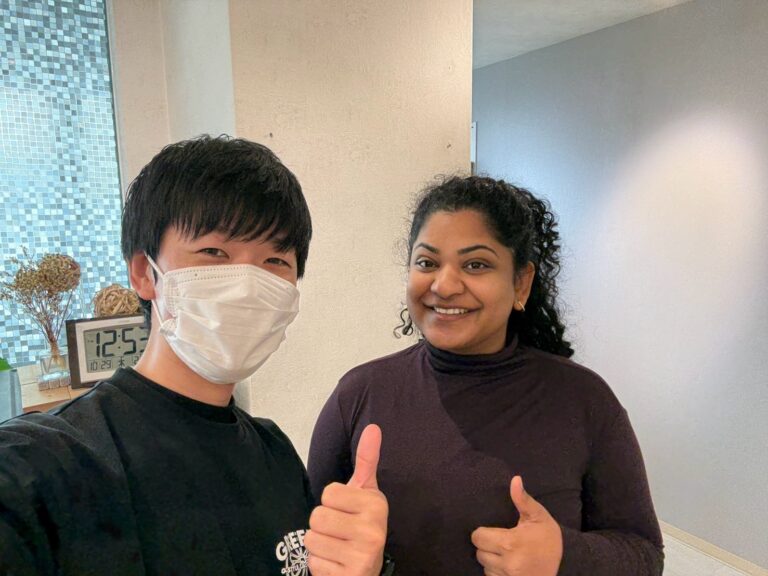
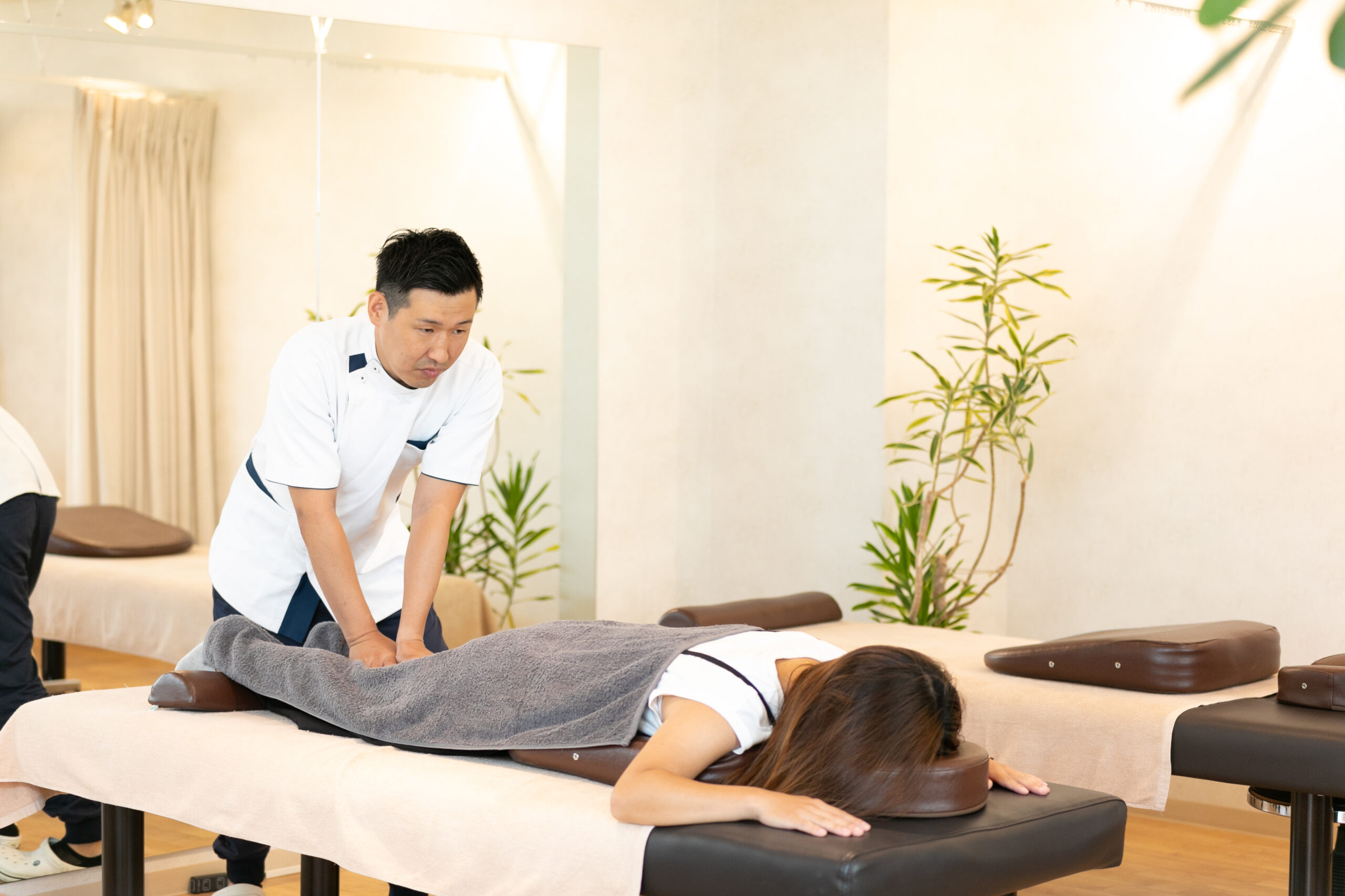
- The patient received a combination of massage, chiropractic-style manual care, and Japanese shoulder blade release during her visit to GREFUL in Shinsaibashi, Osaka.
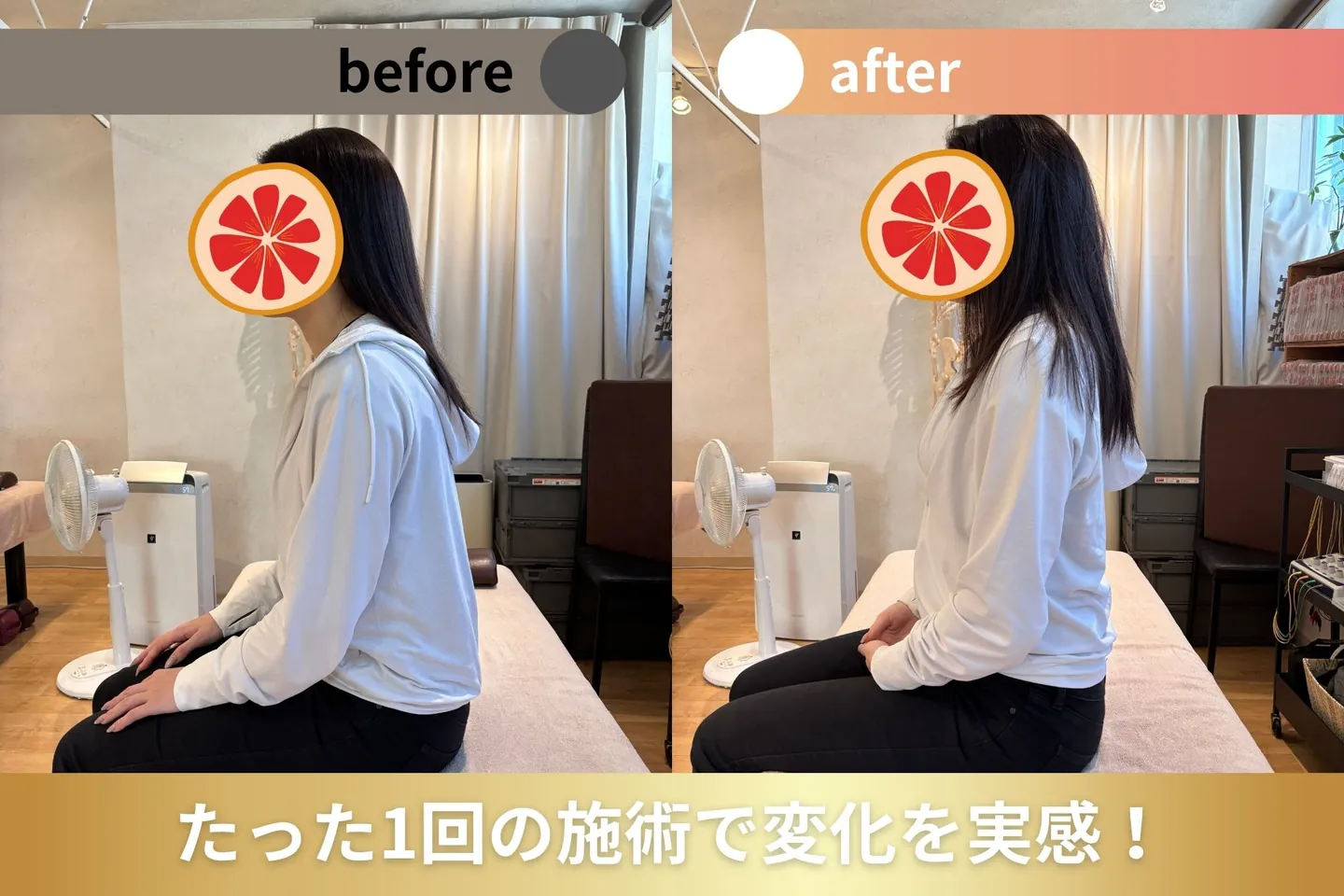
The session focused on her shoulder stiffness and concerns about a rounded upper-back posture.
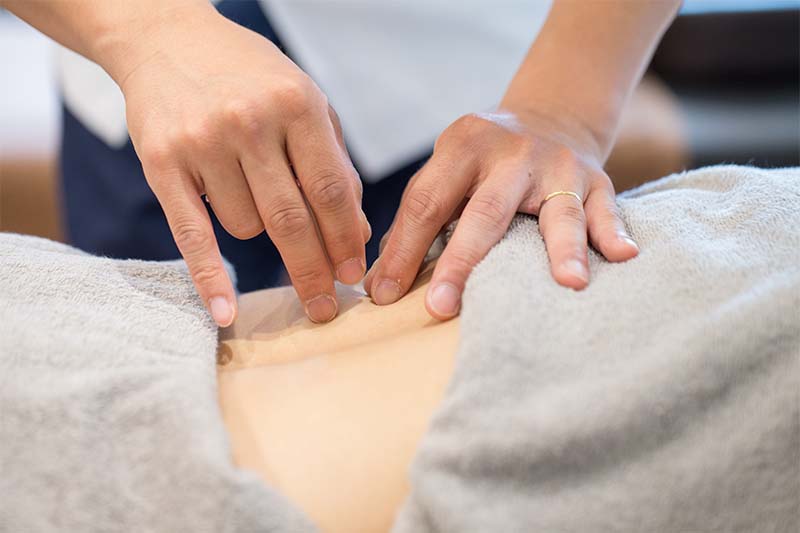
1. Massage Therapy
Massage techniques were used to address discomfort and muscular tension around the shoulders and upper back.
The aim was to help her feel more comfortable and relaxed.
The intensity of hands-on treatment was considered in relation to her comfort and physical condition.
2. Chiropractic-Style Manual Care
Chiropractic-style manual techniques were also included in the session.
This approach considered upper-body movement and posture-related discomfort.
Manual techniques cannot be assumed to permanently change the natural shape of the spine or correct a structural spinal disorder.
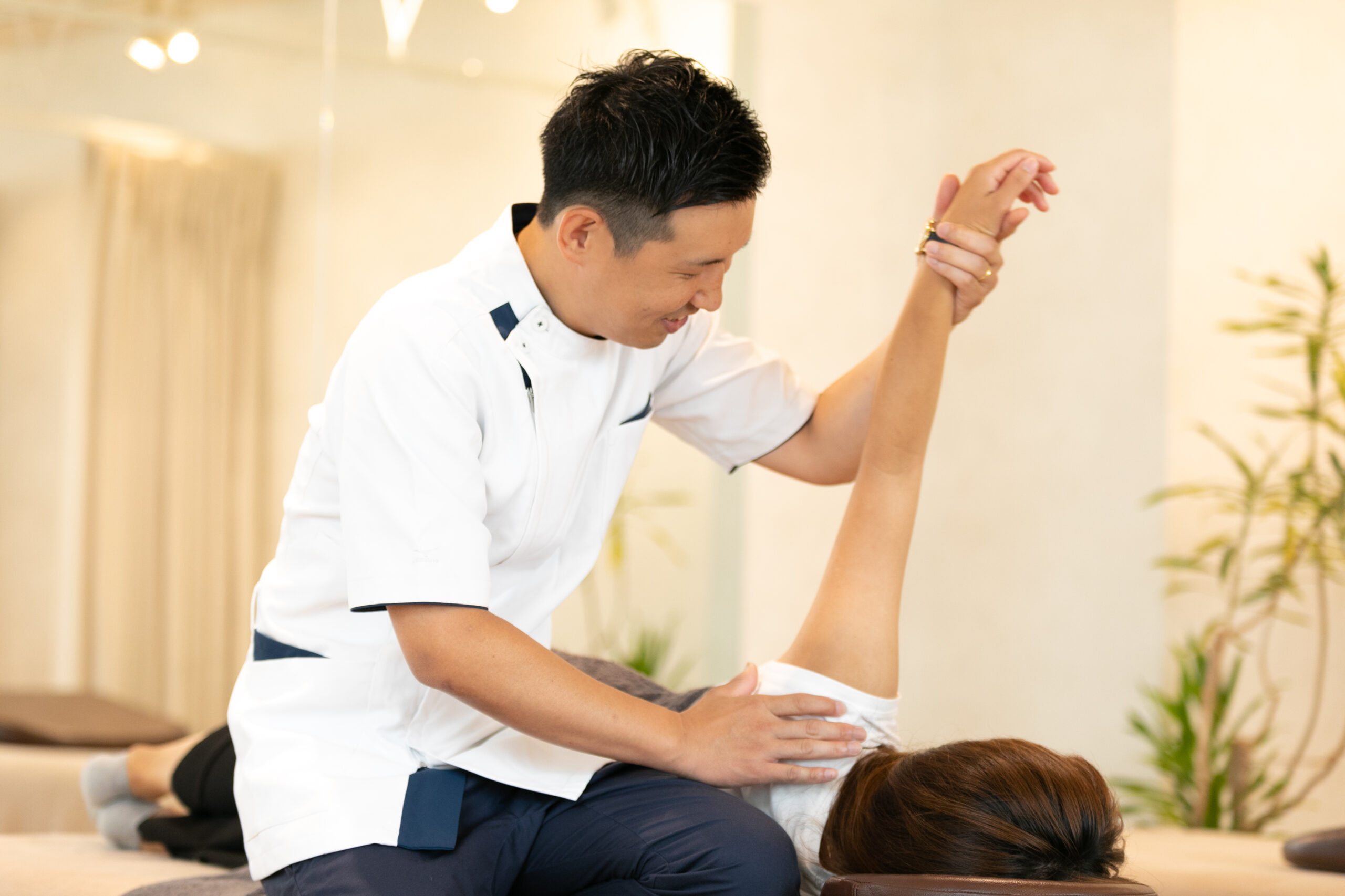
3. Japanese Shoulder Blade Release — Kenkoukotsu Hagashi
Shoulder blade release, called Kenkoukotsu Hagashi in Japanese, was included as part of her posture-focused care.
This form of hands-on bodywork focuses on the muscles and movement around the shoulder blades.
The aim was to address shoulder-area stiffness and support comfortable movement around the shoulder blades and upper back.
Despite its name, shoulder blade release does not involve physically separating the shoulder blade from the rib cage.
4. Combined Posture-Focused Care
By combining massage, chiropractic-style manual care, and shoulder blade release, we addressed both her reported shoulder stiffness and concerns about her upper-body posture.
5. Immediate Post-Treatment Response
After the session, the patient reported feeling a great sense of relief.
She was pleased with her experience and later left a five-star Google review.
However, the available record does not include a measured improvement in posture angles or shoulder mobility.
The reported outcome is therefore an immediate improvement in how the patient felt rather than a confirmed structural change in her spine. - 施術料金
- 75min/¥21,000
- 施術の注意点・リスク
- Shoulder stiffness and rounded upper-back posture can be influenced by many factors, including individual anatomy, muscle activity, daily movement habits, and medical conditions.
A rounded back does not automatically indicate a spinal abnormality, and posture alone does not establish the cause of shoulder discomfort.
1. Shoulder Stiffness
Shoulder stiffness may be related to muscle tension or other musculoskeletal conditions.
If symptoms are persistent, severe, or associated with significant pain or loss of movement, medical assessment may be appropriate.
2. Rounded Back and Posture
The spine has natural curves, and posture varies between individuals.
Massage and manual therapy cannot guarantee a permanent change in spinal alignment or the correction of a structural deformity.
3. Shoulder Blade Release
Shoulder blade release involves hands-on techniques around the shoulder blades.
It does not physically detach the shoulder blades from the rib cage or permanently reposition bones.
Treatment intensity should be adapted to the patient's comfort and condition.
4. Chiropractic-Style Manual Care
Manual techniques may not be suitable for everyone, particularly those with certain spinal disorders, fractures, severe osteoporosis, or neurological problems.
Forceful techniques should not be used without appropriate consideration of medical history and risks.
5. Possible Reactions
Temporary muscle soreness, tenderness, discomfort, or fatigue may occur after manual treatment.
6. When Medical Assessment Is Important
Persistent or worsening pain, significant weakness, numbness, difficulty using an arm, or other concerning symptoms should be evaluated by an appropriate medical professional.
7. Immediate and Long-Term Results
The patient reported significant relief after one session.
However, this does not prove that the underlying cause of the stiffness was eliminated or that the rounded posture was permanently corrected.
Treatment responses vary, and this case does not guarantee the same result for every patient.