【Indian Tourist】Severe Shoulder and Back Pain | Acupuncture, Massage & Chiropractic Care in Osaka
Shoulder and Back Pain During a Fami…
症例を詳しく見る施術の詳細情報を表示
- 年代
- 40代


GREFUL / CASE REPORT
CASE OVERVIEW
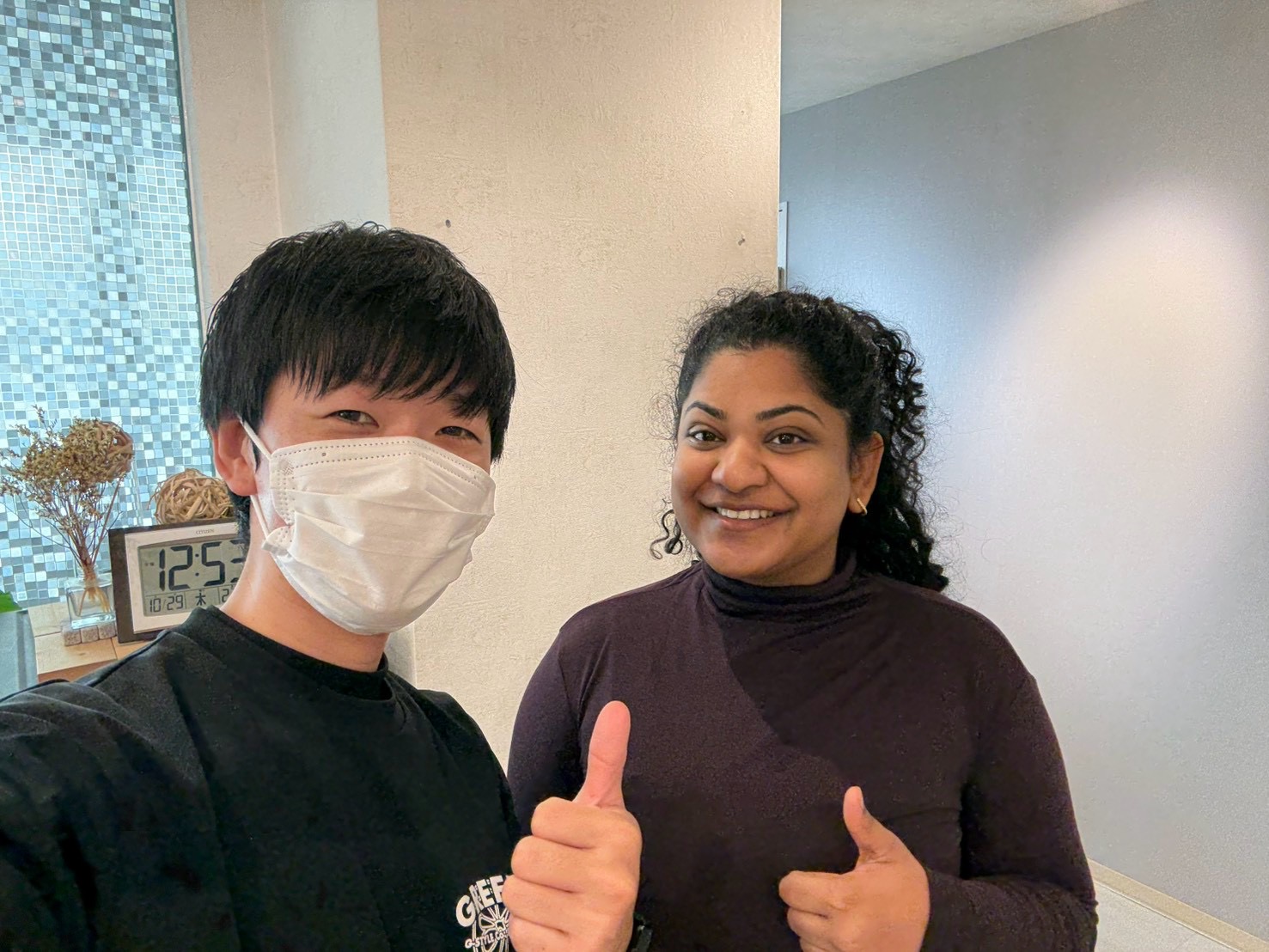
A woman visiting Japan from India came to GREFUL Acupuncture & Seitai Clinic in Shinsaibashi, Osaka, during a family vacation.
She visited together with her family and wanted to address the stiffness in her shoulders and concerns about her posture.
Her main complaints were tight, uncomfortable shoulders and a rounded upper-back posture.
She felt that her shoulders were stiff and wanted to improve the way she held her upper body.
Rather than simply relaxing with a massage, she was also interested in posture-focused care.
The main concerns were:
1. Stiffness and tension around both shoulders.
2. A rounded back and concerns about poor posture.
3. Discomfort around the upper back and shoulder area.
4. A desire to feel less stiff and improve her upper-body posture.
5. An interest in massage, chiropractic-style care, and shoulder blade release.
During her visit, she received a combination of massage, chiropractic-style manual techniques, and Japanese shoulder blade release, known as Kenkoukotsu Hagashi.
After the session, she felt considerable relief and later shared a five-star Google review about her experience.
A woman visiting Japan from India came to GREFUL Acupuncture & Seitai Clinic in Shinsaibashi, Osaka, during a family vacation. She was concerned about her rounded upper-back posture and stiffness around her shoulders.
She wanted to feel more comfortable and receive posture-focused care, so her session included massage, chiropractic-style manual techniques, and Japanese shoulder blade release, known as Kenkoukotsu Hagashi.
After just one session, she reported feeling a great sense of relief and shared a five-star Google review about her experience.
This case describes her immediate experience following treatment. It does not establish that the natural curvature or structure of her spine was permanently changed.
A rounded back generally refers to the appearance of increased rounding through the upper back or thoracic region.
The thoracic spine naturally curves backward, and the degree of curvature varies between individuals.
A rounded posture does not always indicate a medical problem. However, some people dislike the appearance of their posture or feel uncomfortable when sitting or standing in certain positions.
In this case, the patient was concerned about both her rounded upper back and shoulder stiffness.
Rounded shoulders describe a position in which the shoulders appear to sit farther forward relative to the upper body.
A rounded back refers more broadly to the shape or position of the upper spine and trunk.
These posture characteristics may appear together, but they are not identical.
The appearance of the shoulders and upper back can also vary depending on how a person sits, stands, and moves.
Not necessarily. Shoulder stiffness can be influenced by muscle activity, physical demands, sleep, stress, prolonged static positions, and other factors.
There is no single posture that everyone must maintain at all times to avoid discomfort.
Regular movement, comfortable working positions, and appropriate physical activity can be useful parts of managing everyday musculoskeletal discomfort.
The scapula, or shoulder blade, is an important part of the shoulder complex. It moves along the rib cage as we lift, reach, or rotate our arms.
Several muscles contribute to shoulder blade movement, including the trapezius, serratus anterior, and rhomboid muscles.
Comfortable shoulder movement depends on coordination between the upper arm, shoulder blade, and surrounding structures.
However, shoulder blade position alone does not explain every case of shoulder stiffness or poor posture.
Japanese shoulder blade release is commonly called Kenkoukotsu Hagashi (肩甲骨はがし).
It is a Japanese hands-on bodywork approach that focuses on the soft tissues and movement around the shoulder blades.
Depending on the individual’s condition, the session may involve manual pressure, gentle movement, and techniques intended to address discomfort around the upper back and shoulders.
Despite the name, the treatment does not literally peel or separate the shoulder blade from the rib cage.
Some people report feeling more comfortable or find it easier to move their upper body after manual treatment around the shoulder blades.
However, a single session cannot be guaranteed to permanently change posture or correct structural spinal conditions.
Posture-related goals may also benefit from appropriate movement, strengthening exercises, and everyday activity habits.
Massage is a hands-on approach involving pressure and movement applied to muscles and surrounding soft tissues.
Some individuals experience temporary relief from muscular discomfort or a greater sense of relaxation after massage.
The level of pressure should be adjusted to the individual’s comfort and physical condition.
Chiropractic-style manual care may involve techniques focused on the movement of joints and the musculoskeletal system.
Specific techniques vary, and not every form of manual treatment is appropriate for every person.
Importantly, manual therapy cannot be assumed to permanently realign the spine or correct a structural spinal deformity.
The patient in this case received a combination of massage, chiropractic-style manual care, and Japanese shoulder blade release.
The session was intended to address her reported shoulder stiffness and concerns about her upper-back posture.
Afterward, she reported significant relief. It is not possible to determine how much of that relief came from each individual technique.
Before her session, the patient reported stiff shoulders and a rounded back.
She wanted to address the discomfort and receive care focused on her upper-body posture.
During her visit, she received massage, chiropractic-style manual treatment, and shoulder blade release.
The session focused on shoulder-area discomfort and the upper body.
Following the session, she reported feeling a great sense of relief.
Her positive feedback was reflected in a five-star Google review.
However, no formal measurements of spinal alignment, shoulder blade movement, or posture angles were documented for this case.
Therefore, the result should be understood as immediate subjective relief rather than confirmed long-term correction of her posture.
The patient kindly shared the following review after her visit:
I came with stiff shoulders and round back . I feel a great relief after one session.
We sincerely appreciate her feedback and are pleased that she felt more comfortable after her first session.
We are grateful that she chose GREFUL as part of her family trip to Osaka.
The review reflects her personal experience and does not guarantee identical results for other guests.
Some people experience short-term relief from muscular stiffness or discomfort after massage. Results vary, and persistent symptoms may require further evaluation.
Manual care may influence comfort or movement in some individuals, but it cannot guarantee permanent correction of spinal curvature. Structural spinal conditions require appropriate medical assessment.
Shoulder blade release, or Kenkoukotsu Hagashi, is a Japanese bodywork approach focused on the area around the scapula. It may incorporate pressure and movement techniques adapted to the guest’s condition.
Some guests notice temporary relief after one session. In this case, the patient reported significant relief, but individual responses and long-term results vary.
No. Spinal curvature and posture vary naturally. A rounded appearance does not automatically indicate disease. Persistent pain, substantial stiffness, or progressive changes should be assessed appropriately.
Multiple hands-on techniques may be combined when suitable for the guest’s symptoms, preferences, and physical condition. Please discuss your concerns with the clinic before treatment.
No. GREFUL welcomes international visitors. Our staff primarily speak Japanese but can use simple English and translation tools when needed.
Medical assessment is important if shoulder pain is severe, persists, significantly restricts movement, or is associated with weakness, numbness, or other concerning symptoms.
GREFUL Acupuncture & Seitai Clinic welcomes international visitors looking for Japanese hands-on bodywork during their stay in Osaka.
Our clinic in Shinsaibashi offers bodywork options for concerns such as shoulder stiffness, upper-back discomfort, and posture-related tension.
Learn more about these concerns in our Neck & Shoulder Stiffness in Osaka guide.
For details about traditional Japanese bodywork, visit Japanese Shiatsu & Seitai in Osaka.
You can also explore our Shoulder Blade Release service page (Japanese) or visit the GREFUL English Website for general clinic information and booking guidance.
If you are visiting Osaka with family and would like to discuss shoulder stiffness or posture-related discomfort, please contact us to confirm the most suitable available options.
Medical disclaimer: This article describes one visitor’s experience and is intended for general information. Treatment responses vary. Manual therapy does not replace medical diagnosis or treatment when these are necessary.
| 年代 | 30代 |
|---|---|
| 性別 | 女性 |
| 初回の身体評価 | During the initial consultation, we focused on the patient's main concerns: shoulder stiffness and a rounded upper-back posture. The assessment centered on her reported discomfort and the appearance of her upper-body posture. 1. Shoulder Stiffness The patient complained of stiffness around her shoulders. Muscular tension and discomfort around the shoulders can be influenced by several factors, including daily activities, movement habits, physical workload, and individual health conditions. However, the available information does not establish one specific cause of her shoulder stiffness. 2. Rounded Upper-Back Posture The patient was concerned about her rounded back, which she described in her Google review. A rounded upper-back posture may involve the natural curvature of the thoracic spine, the position of the shoulders, and the way the upper body is held. The appearance of a rounded back does not necessarily indicate a spinal deformity or a medical condition. 3. Posture and Shoulder Position Because the patient wanted posture improvement, the relationship between the shoulders, shoulder blades, and upper back was considered when planning the session. The shoulder blades move along the rib cage and play an important role in upper-body movement. However, the precise range of shoulder blade movement and specific spinal angles were not measured in the available case record. 4. Treatment Preferences The patient received massage, chiropractic-style manual care, and shoulder blade release. These techniques were selected as part of the posture-focused bodywork session. 5. Overall Assessment The main concerns were shoulder stiffness and a rounded upper-back posture. The available information does not include a detailed neurological examination, measured joint mobility, or imaging findings. Therefore, the patient's posture concerns are described as observed or reported characteristics rather than a confirmed structural spinal diagnosis. The session focused on addressing her discomfort and supporting more comfortable upper-body movement. |
| 実際に行った施術 | The patient received a combination of massage, chiropractic-style manual care, and Japanese shoulder blade release during her visit to GREFUL in Shinsaibashi, Osaka. The session focused on her shoulder stiffness and concerns about a rounded upper-back posture. 1. Massage Therapy Massage techniques were used to address discomfort and muscular tension around the shoulders and upper back. The aim was to help her feel more comfortable and relaxed. The intensity of hands-on treatment was considered in relation to her comfort and physical condition. 2. Chiropractic-Style Manual Care Chiropractic-style manual techniques were also included in the session. This approach considered upper-body movement and posture-related discomfort. Manual techniques cannot be assumed to permanently change the natural shape of the spine or correct a structural spinal disorder. 3. Japanese Shoulder Blade Release — Kenkoukotsu Hagashi Shoulder blade release, called Kenkoukotsu Hagashi in Japanese, was included as part of her posture-focused care. This form of hands-on bodywork focuses on the muscles and movement around the shoulder blades. The aim was to address shoulder-area stiffness and support comfortable movement around the shoulder blades and upper back. Despite its name, shoulder blade release does not involve physically separating the shoulder blade from the rib cage. 4. Combined Posture-Focused Care By combining massage, chiropractic-style manual care, and shoulder blade release, we addressed both her reported shoulder stiffness and concerns about her upper-body posture. 5. Immediate Post-Treatment Response After the session, the patient reported feeling a great sense of relief. She was pleased with her experience and later left a five-star Google review. However, the available record does not include a measured improvement in posture angles or shoulder mobility. The reported outcome is therefore an immediate improvement in how the patient felt rather than a confirmed structural change in her spine. |
| 施術経過・変化 | Before treatment, the patient was experiencing shoulder stiffness and was concerned about her rounded upper-back posture. She wanted to improve her upper-body comfort and address the posture that had been bothering her. During the session, she received massage, chiropractic-style manual care, and Japanese shoulder blade release. 1. Before Treatment The patient reported stiff shoulders and a rounded back. Her main goal was to feel less stiff and receive posture-focused care. 2. Treatment Session The session combined three hands-on approaches: massage, chiropractic-style care, and shoulder blade release. The treatment focused on the shoulders and upper-body discomfort. 3. Immediate Relief After Treatment Following the session, the patient reported a noticeable sense of relief. She later described the experience in her own words: "I feel a great relief after one session." 4. Patient Satisfaction The patient left a five-star Google review mentioning both her shoulder stiffness and rounded back. Her feedback showed that she was pleased with the immediate result. 5. Overall Outcome The patient experienced significant subjective relief following one session. However, no objective measurements of posture or shoulder movement were available, and the long-term outcome is unknown. This case demonstrates a positive individual bodywork experience, not proof that a rounded spinal posture was permanently corrected after one visit. |
| 患者様の感想 | Five-Star Google Review from a Visitor from India "I came with stiff shoulders and round back . I feel a great relief after one session." We were delighted to receive this kind review from a guest visiting Osaka from India during a family vacation. She came to GREFUL because of shoulder stiffness and concerns about her rounded upper-back posture. During her visit, she received a combination of massage, chiropractic-style manual care, and Japanese shoulder blade release. We are glad that she felt such noticeable relief after her first session. Thank you for choosing GREFUL during your trip to Osaka and for sharing your experience with us. We hope you and your family enjoyed the rest of your time in Japan. |
| 施術の注意点・リスク | Shoulder stiffness and rounded upper-back posture can be influenced by many factors, including individual anatomy, muscle activity, daily movement habits, and medical conditions. A rounded back does not automatically indicate a spinal abnormality, and posture alone does not establish the cause of shoulder discomfort. 1. Shoulder Stiffness Shoulder stiffness may be related to muscle tension or other musculoskeletal conditions. If symptoms are persistent, severe, or associated with significant pain or loss of movement, medical assessment may be appropriate. 2. Rounded Back and Posture The spine has natural curves, and posture varies between individuals. Massage and manual therapy cannot guarantee a permanent change in spinal alignment or the correction of a structural deformity. 3. Shoulder Blade Release Shoulder blade release involves hands-on techniques around the shoulder blades. It does not physically detach the shoulder blades from the rib cage or permanently reposition bones. Treatment intensity should be adapted to the patient's comfort and condition. 4. Chiropractic-Style Manual Care Manual techniques may not be suitable for everyone, particularly those with certain spinal disorders, fractures, severe osteoporosis, or neurological problems. Forceful techniques should not be used without appropriate consideration of medical history and risks. 5. Possible Reactions Temporary muscle soreness, tenderness, discomfort, or fatigue may occur after manual treatment. 6. When Medical Assessment Is Important Persistent or worsening pain, significant weakness, numbness, difficulty using an arm, or other concerning symptoms should be evaluated by an appropriate medical professional. 7. Immediate and Long-Term Results The patient reported significant relief after one session. However, this does not prove that the underlying cause of the stiffness was eliminated or that the rounded posture was permanently corrected. Treatment responses vary, and this case does not guarantee the same result for every patient. |
| 施術料金 | 75min/¥21,000 |
| 担当施術者 | OKADA |
※施術内容・経過には個人差があります。同じ結果を保証するものではありません。
Shoulder and Back Pain During a Fami…
症例を詳しく見る
Japanese Shiatsu Massage in Osaka: A…
症例を詳しく見る
Lower Back Pain After Deadlifting: A…
症例を詳しく見る
